Employer Health Costs Set to Rise 8.2%; Medicare Rules Limit HSA Use at 65
Employer health insurance costs are projected to surge 8.2%, while workers turning 65 face HSA contribution restrictions once they enroll in Medicare.
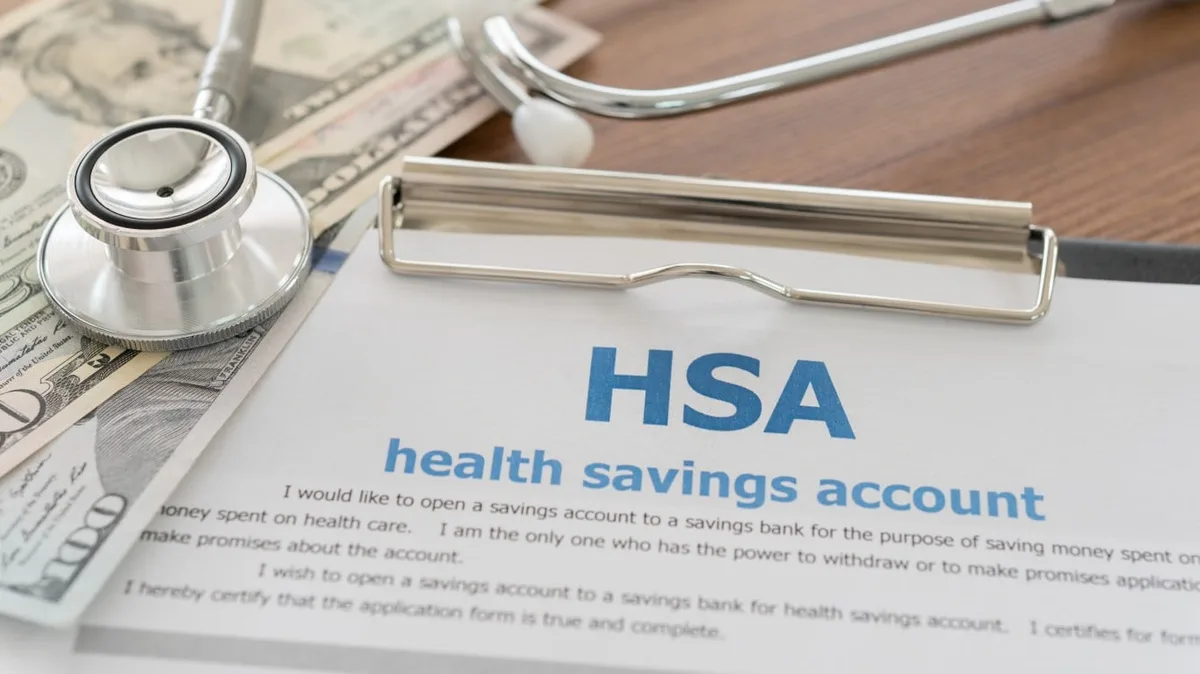
Employer-sponsored health insurance costs are projected to climb 8.2%, adding financial pressure on companies and workers alike as benefit budgets tighten across industries. The increase signals a continued upward trend in healthcare spending that analysts say shows little sign of reversing in the near term.
For employees approaching retirement age, the cost surge arrives alongside a separate but consequential rule: individuals who enroll in Medicare at age 65 are no longer permitted to make contributions to a Health Savings Account. The restriction stems from federal law governing HSA eligibility, which requires account holders to be covered exclusively by a qualifying high-deductible health plan — a status that Medicare enrollment terminates.
Read more How to Build $6,350 Monthly in Dividend Income Safely →
The timing can catch workers off guard, particularly those who plan to remain employed past 65 and continue participating in an employer-sponsored plan. Even partial-year Medicare enrollment can trigger complications, potentially requiring retroactive adjustments to HSA contributions made during months when the worker was technically ineligible.
Financial planners generally advise workers nearing Medicare eligibility to carefully coordinate their enrollment decisions with their HSA contribution strategy. Funds already accumulated in an HSA can still be used tax-free for qualified medical expenses after Medicare enrollment begins — only new contributions are prohibited, preserving the account's long-term value for out-of-pocket healthcare costs in retirement.
The dual challenge of rising employer premiums and HSA eligibility limits underscores the complexity facing workers as they transition from employer coverage to federal programs. Benefits advisers say proactive planning, ideally beginning one to two years before a worker's 65th birthday, can help minimize tax penalties and maximize savings. Continue reading at Yahoo Finance.