GM Pursues Domestic Battery Supply Chain Amid China Trade Tensions
GM is working to build U.S.-based battery supply chains for EVs and energy storage as China dominates raw material sourcing.
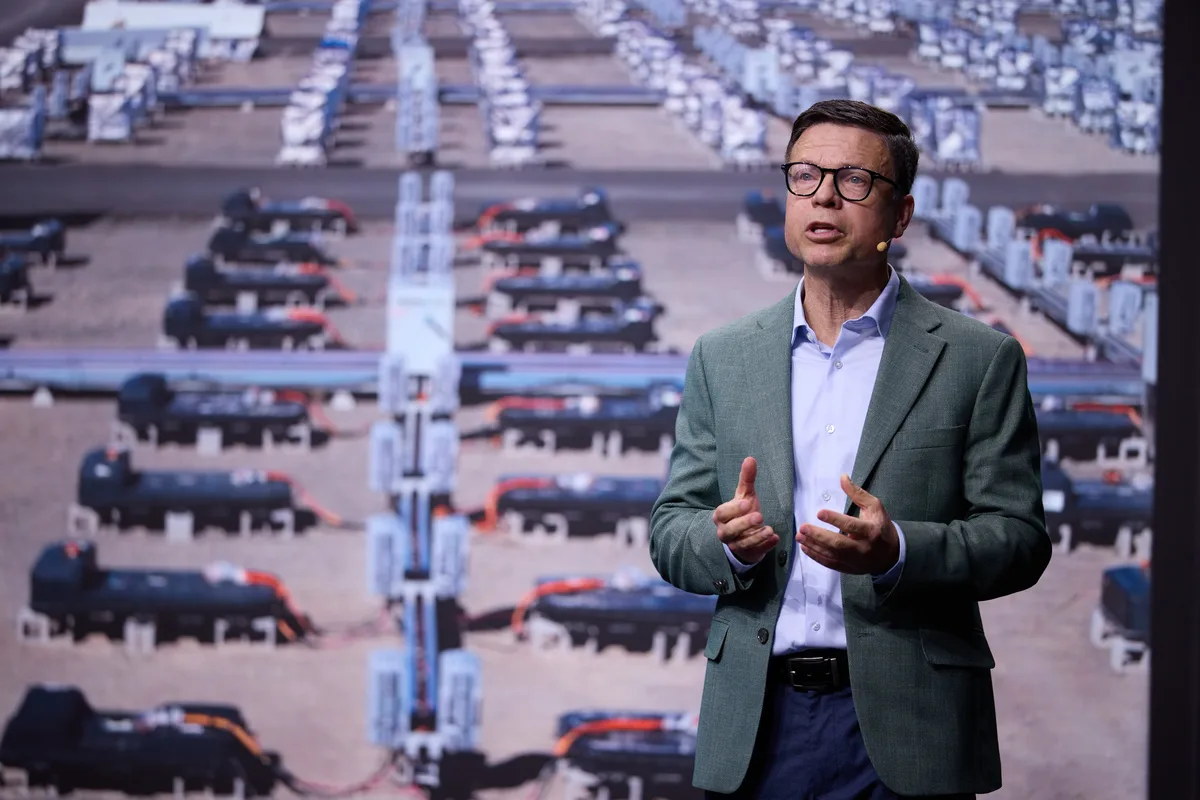
General Motors is moving to establish domestic battery development and supply chains, targeting both electric vehicles and energy storage systems, as geopolitical pressure mounts over American automakers' reliance on Chinese-sourced materials.
The initiative comes as most battery cells on the market remain dependent on raw materials originating from China, a vulnerability that has drawn increasing scrutiny from U.S. policymakers and industry analysts alike. GM's push signals a broader industry reckoning with supply chain exposure at a time of escalating trade tensions between Washington and Beijing.
Read more Ulta Beauty Targets Fragrance and Wellness After Leaving Target →
The effort unfolds against a politically charged backdrop. The Trump administration's Department of Transportation has publicly criticized Ford over its ties to Chinese partners, underscoring the growing federal pressure on domestic automakers to distance themselves from Chinese supply networks.
For GM, securing a homegrown pipeline for battery inputs would reduce exposure to trade disruptions, tariffs, or regulatory actions that could interrupt production of both EVs and stationary energy storage products — a segment the company appears to be treating as strategically important alongside its vehicle lineup.
The contrasting postures of GM and Ford illustrate how U.S. automakers are navigating an increasingly fraught landscape in which business decisions about global supply chains carry direct political consequences. Continue reading at Business News.