AMD's Path Toward a $1 Trillion Valuation Examined
Analysts are weighing whether AMD can realistically join the $1 trillion market-cap club as AI chip demand accelerates.
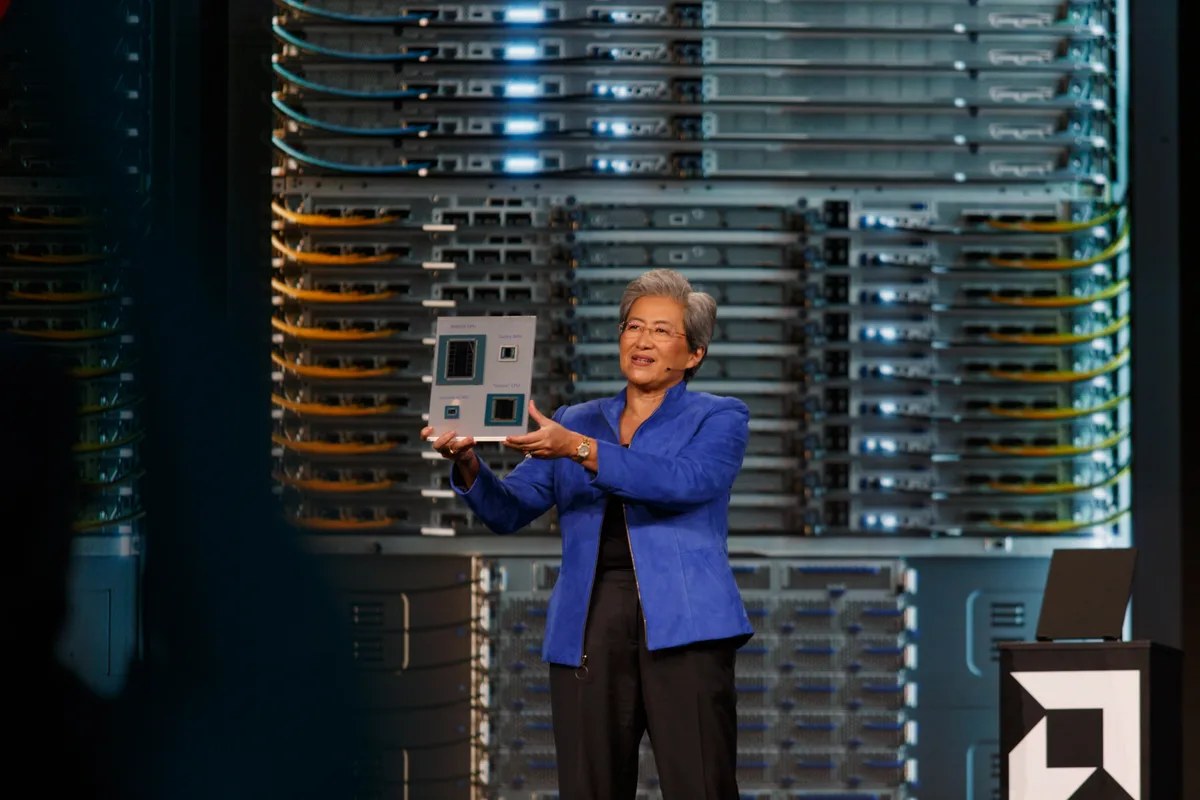
Advanced Micro Devices has emerged as one of the semiconductor industry's most closely watched growth stories, with market observers debating whether a $1 trillion valuation represents an ambitious milestone or a logical destination given the company's competitive trajectory in artificial intelligence chips.
The broader context driving such projections centers on surging enterprise and data-center demand for AI-capable processors. AMD has positioned its Instinct GPU line as a credible alternative to Nvidia's dominant offerings, and analysts have noted that even capturing a modest share of the AI accelerator market could translate into substantial revenue expansion over the coming years.
Read more Nasdaq, Dow, S&P 500 Drift as AI Trade Anchors Market →
Valuation arguments of this scale typically rest on forward earnings multiples and total addressable market estimates rather than current financials alone. AMD's ability to scale production, sustain gross margins, and convert design wins at major cloud providers into recurring revenue streams would be critical factors in any sustained move toward the trillion-dollar threshold.
Skepticism remains warranted, however. Reaching a $1 trillion market capitalization would require AMD shares to appreciate significantly from recent levels, a feat that historically has demanded consistent outperformance on both revenue growth and profitability. Supply-chain execution and the pace of customer adoption for next-generation AI hardware introduce variables that could compress or extend any timeline.
The conversation around AMD's ceiling reflects a wider investor reckoning with how AI infrastructure spending will ultimately be distributed across the semiconductor landscape. Continue reading at Yahoo Finance.