Can Intel Recover Its Value by 2030? What Investors Should Know
Intel faces a pivotal decade ahead. Analysts are weighing whether the chipmaker's long-term trajectory makes it a buy today.
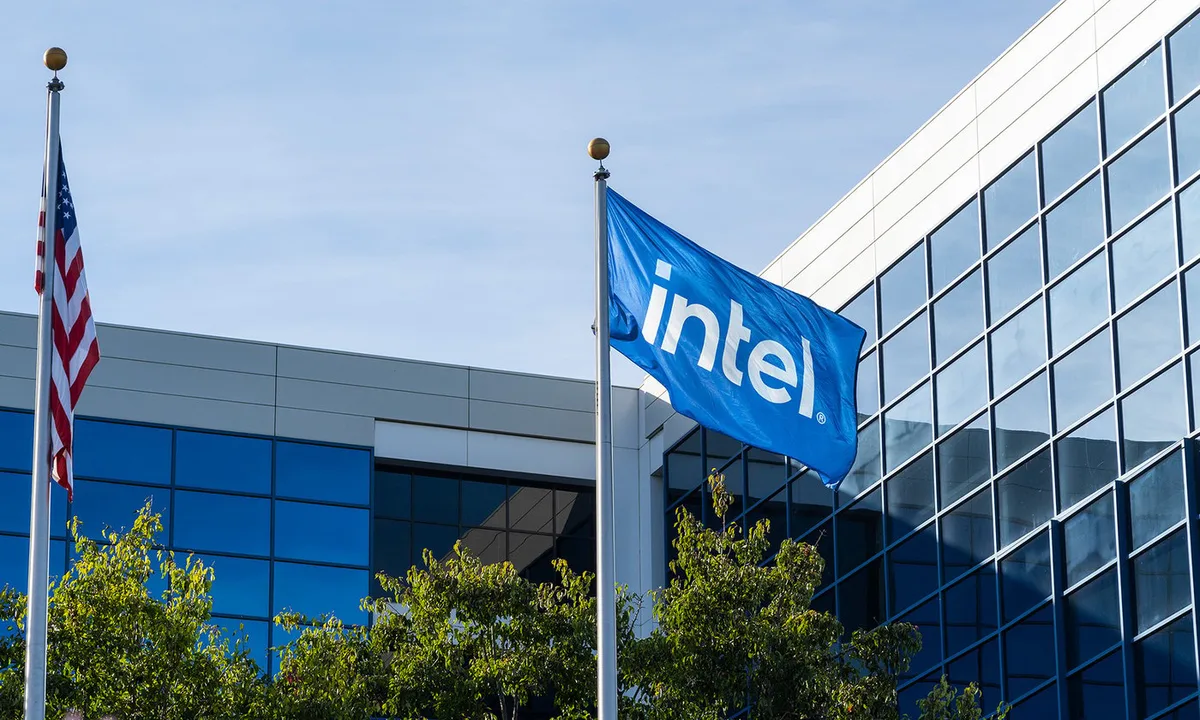
Intel Corporation, once the undisputed leader in semiconductor manufacturing, has spent recent years navigating a steep decline in market share, mounting competitive pressure from rivals such as AMD and Nvidia, and costly bets on a manufacturing turnaround that has yet to fully materialize. For long-term investors, the central question is whether the company can reclaim meaningful ground by the end of the decade.
The case for Intel as a value play rests largely on its ongoing effort to rebuild its foundry business and compete directly with Taiwan Semiconductor Manufacturing Company. The chipmaker has invested tens of billions of dollars in new domestic fabrication facilities, partly supported by U.S. government incentives tied to the CHIPS Act. If those factories deliver competitive yields on advanced process nodes, Intel's revenue mix could shift substantially before 2030.
Read more Amgen Shares Drop 5% Over Rival Lp(a) Drug Concerns →
Skeptics, however, point to persistent execution risk. Intel has repeatedly missed process technology milestones, and customers who defected to rival foundries or chip designers have shown limited urgency to return. The competitive landscape in artificial intelligence accelerators — now a defining segment of the semiconductor industry — remains dominated by Nvidia, leaving Intel with a relatively modest footprint in one of the market's fastest-growing categories.
Valuation-based arguments for the stock hinge on how much of the bad news is already priced in. Shares have underperformed the broader chip sector significantly over a multiyear period, which some contrarian investors interpret as a margin of safety. Whether that discount is justified or a reflection of structural deterioration is the core debate shaping Intel's investment thesis heading into the second half of the decade.
For investors willing to accept meaningful uncertainty in exchange for potential upside, Intel's 2030 trajectory may warrant a closer look at current price levels. Continue reading at Yahoo Finance.