Why a Bear Market May Actually Benefit Long-Term Investors
History shows bear markets, though painful, often set the stage for strong future gains for patient investors.
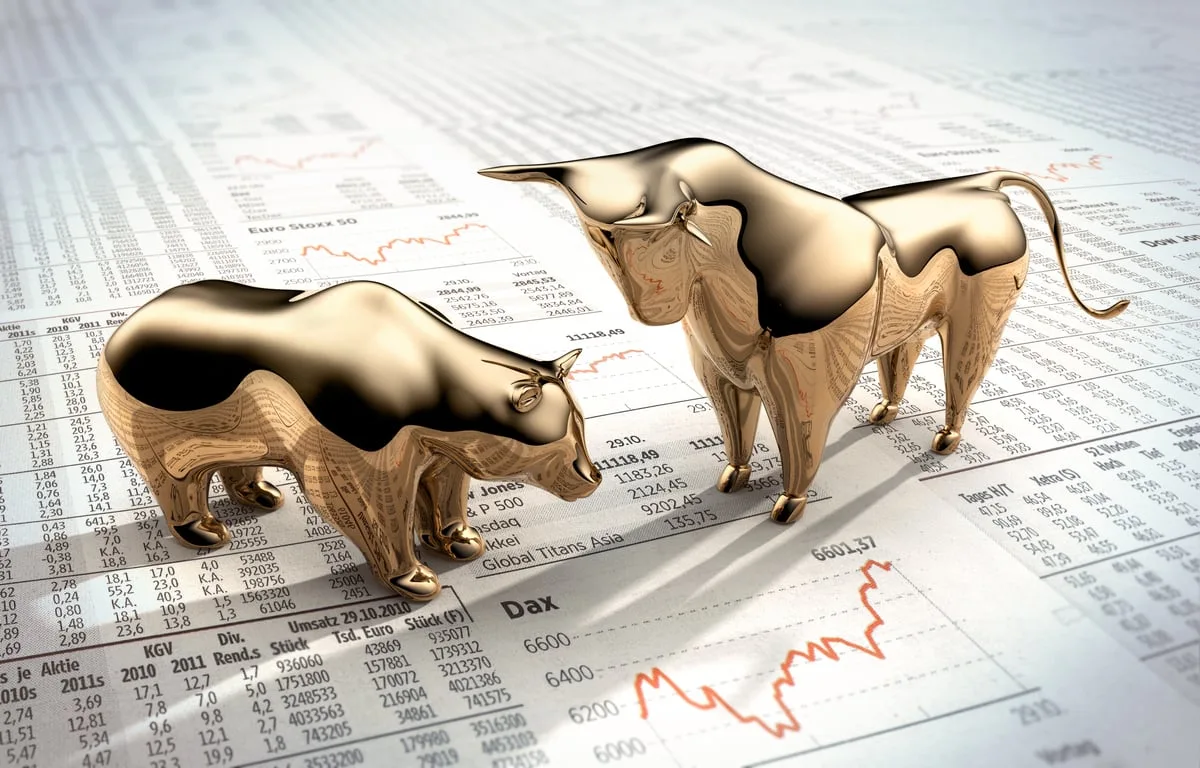
Bear markets are an inevitable feature of investing, and while the short-term pain they inflict can rattle even seasoned market participants, historical patterns suggest they carry a silver lining for those willing to hold their positions through the downturn.
Market cycles have repeatedly demonstrated that periods of sharp decline are typically followed by recoveries that reward investors who resist the urge to sell. The compressed valuations that accompany a bear market effectively allow buyers to acquire equities at a discount, positioning long-term portfolios for outsized gains once sentiment shifts and prices rebound.
Read more Amgen Shares Drop 5% Over Rival Lp(a) Drug Concerns →
Patience has historically been among the most valuable tools available to retail and institutional investors alike. Those who remain invested — or who continue deploying capital during downturns — often emerge from bear markets in a stronger financial position than those who exit and attempt to time a re-entry. Missing even a handful of the market's best-performing days, which frequently cluster near the depths of a selloff, can meaningfully reduce long-run returns.
Analysts note that bear markets also serve a corrective economic function, wringing excess speculation and inflated valuations out of the system. That reset, while uncomfortable, can lay the groundwork for the next sustained bull cycle by restoring more rational pricing across asset classes.
For investors bracing for the next downturn — whenever it arrives — the historical record offers a consistent message: bear markets end, and the recoveries that follow have, over long horizons, more than offset the preceding losses. Continue reading at Yahoo Finance.